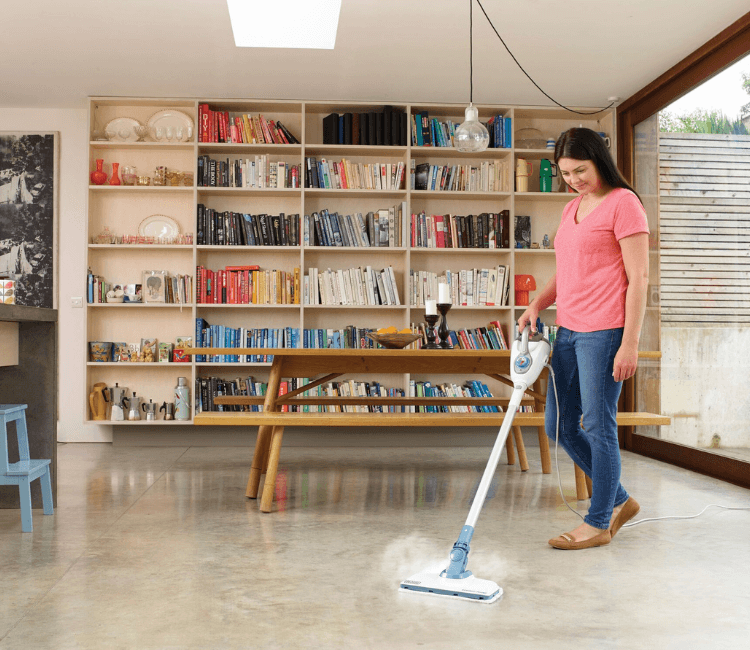
A home care starts with clean tools. Your steam mop and vacuum cleaner are essential for tackling dirt and germs, but without proper maintenance, their performance can suffer. Regular cleaning is not just about hygiene; it’s about extending the life of your appliance and ensuring you get the best results every time you use it.
Here’s our comprehensive guide to keeping your most important cleaning gadgets in top shape.
Table of Contents
How to Clean and Descale Your Steam Mop
Your steam mop relies on water to generate powerful steam. Over time, mineral buildup from tap water can clog internal components, reducing performance and potentially damaging your machine.
Step-by-Step Cleaning Guide:
- Empty the Water Tank: Always start by unplugging your steam mop and emptying any remaining water from the tank.
- Clean the Pads: Detach the reusable microfiber pads and machine wash them with regular detergent. Avoid using fabric softener, as it can reduce their absorbency.
- Clean the Nozzle: Use a small brush or a toothpick to clear any debris from the steam nozzle. This ensures a consistent steam flow.
- Descale Your Mop (Vital for Longevity):
- Mix equal parts of white vinegar and water.
- Pour the solution into the empty water tank.
- Turn on the steam mop and let it run for a few minutes, allowing the steam to flow through the system.
- Switch off the mop, unplug it, and let it sit for about an hour.
- Empty the tank and rinse it thoroughly with clean water. Repeat this process with fresh water to remove any lingering vinegar residue.
Regular descaling will keep your BLACK+DECKER steam mop working efficiently for years to come.
How to Clean Your Vacuum Filters
Your vacuum’s filter is its first line of defense against dust and allergens. A clogged filter can severely reduce suction power and cause your vacuum to overheat.
Step-by-Step Cleaning Guide:
- Identify Your Filter Type: Most modern vacuums use either a foam or a HEPA filter. Check your user manual to determine which you have.
- Foam Filters:
- Remove the filter and gently tap it against a dustbin to dislodge loose debris.
- Rinse it under cool, running water until the water runs clear.
- Squeeze out excess water and let it air-dry completely for at least 24 hours before reinserting. A wet filter can damage your vacuum.
- HEPA Filters:
- Most HEPA filters are not washable. Gently tap the filter to remove dust and dirt.
- For a deeper clean, you can use a dry brush or another vacuum’s hose to lightly brush off trapped particles.
- If your HEPA filter is washable, follow the same steps as a foam filter, but be extra gentle.
- Replace When Necessary: Even with regular cleaning, filters should be replaced every 6-12 months to maintain peak performance.
By dedicating a little time to regular maintenance, your BLACK+DECKER cleaning appliances will perform flawlessly, keeping your African home spotless and healthy.
Know More About the Ultimate Guide to Cleaning Your Steam Mop & Vacuum Filters:
Part 1: Cleaning Your Steam Mop
- Why is it important to clean a steam mop?
Cleaning a steam mop is crucial to prevent mineral buildup (limescale) from hard water, which can clog the internal pipes and nozzles, reduce steam output, and ultimately damage the appliance. It also ensures hygienic cleaning by preventing mold and bacterial growth. - How do I clean the water tank?
First, empty the water tank after every use. For descaling, fill the tank with a solution of half water and half white vinegar. Run the mop on a clean, empty floor to let the vinegar solution steam through the system. Follow up by running a tank of clean, distilled water to flush out any remaining vinegar. - What’s the best way to clean the steam mop pads?
Most steam mop pads are machine-washable. You can wash them with a mild detergent and warm water. For hand washing, soak them in a basin with warm water, mild detergent, and a little baking soda. Avoid using bleach, fabric softeners, or powdered detergents as they can damage the microfiber and reduce its absorbency. - How often should I clean the steam mop pads?
You should clean the mop pads after every use to ensure you’re not just pushing dirt around the floor. For a deeper clean, wash them every 5-7 uses. - What if my steam mop’s pads are not machine-washable?
If the manufacturer’s manual advises against machine washing, hand wash them. Soak the pads in a mixture of warm water and a mild detergent, then use a soft brush to scrub away dirt before rinsing and air-drying. - How do I clean the nozzles or clogged holes?
After the unit has cooled down, use a small, thin tool like a paperclip, a cleaning pin, or a small brush to dislodge any visible debris or mineral deposits that might be blocking the steam outlets. - What is the best type of water to use in a steam mop?
Using distilled or demineralized water is highly recommended as it contains no minerals, which prevents limescale buildup and extends the life of the appliance. - How can I remove rust or brown spots from the steam mop?
Brown spots or “rust water” can be a sign of mineral buildup or corrosion. A vinegar solution can help. If the problem persists, it may be a sign of a more serious internal issue, and the mop may need to be serviced or replaced. - Should I use any harsh chemicals or cleaning solutions in the water tank?
No, you should only put water in the tank. Adding chemicals, detergents, or even scented oils can damage the internal components, clog the machine, and can be unsafe. - Is there a quick-clean method for a steam mop?
For a quick clean, empty the water tank, remove and wash the pads, and wipe the exterior of the unit with a damp cloth. This should be done after every use.
Part 2: Cleaning Your Vacuum Filters
- Why is it important to clean vacuum filters?
A dirty or clogged filter is the most common cause of reduced suction power in a vacuum cleaner. It can also cause a stale or dusty odor to be emitted from the vacuum and put a strain on the motor, shortening its lifespan. - How often should I clean my vacuum’s filters?
For optimal performance, it is recommended to clean your filters at least once a month if you use your vacuum frequently. - How do I clean a washable foam filter?
First, unplug the vacuum. Remove the foam filter and tap it gently against a bin to dislodge loose debris. Then, rinse it under lukewarm running water until the water runs clear. You can use a mild, gentle soap if necessary. - How do I dry a vacuum filter after washing it?
It is crucial to let the filter air dry completely for at least 24 hours before reinstalling it. Do not use a tumble dryer, microwave, or any other heat source as this can damage the filter material and warp its shape. - Can I wash a HEPA filter?
Not all HEPA filters are washable. You must check the manufacturer’s instructions. If it is not washable, you can still extend its life by gently tapping it against a bin to remove loose dust or using a soft brush to clean it. - How can I tell if my filters are washable?
The product’s user manual or the manufacturer’s website will specify if the filters are washable. A washable filter will often be marked as such on the filter itself. - What happens if I put a wet filter back into the vacuum?
Reinstalling a wet filter can lead to mold and mildew growth and can cause serious damage to the vacuum’s motor, often voiding the warranty. - What if the vacuum filter has a bad smell?
A bad smell often means the filter is clogged with bacteria-filled dust and dirt. A thorough wash with warm, soapy water should help. Ensure it is completely dry before reinserting. - How can I clean a paper or non-washable filter?
For these types of filters, you should not use water. Instead, tap the filter gently against a hard surface to shake off loose dust and use a soft-bristled brush to remove any stuck-on debris. - When should I replace my vacuum filters?
Even with regular cleaning, filters lose their effectiveness over time. It is recommended to replace them every 6 to 12 months depending on usage, or if they appear torn, permanently discolored, or are not cleaning effectively anymore.